Business card design might not be the first thing on your mind when you’re starting a business, but trust me, it matters more than most entrepreneurs realize. I know what you’re probably thinking… “Do people even use business cards anymore?” I had the exact same thought when I first started out.
With social media, websites, LinkedIn, and smartphones in everyone’s pocket, business cards can easily feel a bit old-school. But the truth is, they’re still one of the simplest and most effective networking tools you can have, especially when you’re meeting people in real life.
I’ve seen it happen so many times. Entrepreneurs spend weeks or even months building the perfect website, setting up social media profiles, and planning their marketing… only to show up at an event and realize they have no easy way to actually stay in touch with the people they just met.
And that’s usually the moment it clicks.
A good business card solves that problem instantly. No searching, no typing, no “I’ll find you later on LinkedIn.” Just a simple handover that keeps the conversation going long after the moment itself has passed. And it’s not just about sharing your phone number.
Disclosure: This post may contain affiliate links, meaning if you decide to purchase via my links, I may earn a commission at no extra cost to you. For inspiration and visualization purposes, the images featured in this article were created with the assistance of AI. Please read my disclaimer for more information.
The Power of a Great First Impression
A well-designed business card does more than just share your contact details. It helps people remember you after the conversation is over, and it quietly builds that sense of trust and professionalism that every entrepreneur needs when they’re just getting started.
And the interesting part is this: it can genuinely be the thing that turns a casual conversation into a client, a partnership, or an opportunity you didn’t see coming.
The good news? You don’t need a big budget or any design background to create a business card that makes a strong first impression. It’s much more about clarity and intention than fancy design tricks.
In this guide, I’ll walk you through everything you actually need to know about business card design. From choosing what information to include, to getting the layout right, to avoiding the small mistakes that can make a card feel unprofessional.
So whether you’re starting a side hustle, building your first small business, freelancing on the side, or working toward something bigger, you’ll find practical ideas here that you can use straight away.
Let’s build a business card that people don’t just glance at… but actually remember.
What Is a Business Card?
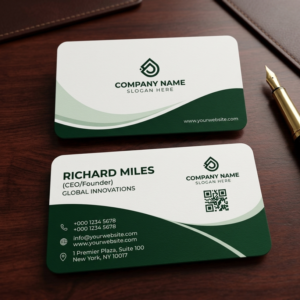
At its core, a business card is a small card that holds your most important business details. That usually includes your name, business name, phone number, email address, website, and sometimes a few social media links if they’re relevant.
Simple, right? But in reality, a business card is a lot more than just a piece of paper with contact information. I like to think of it as a tiny marketing tool you can literally fit in your pocket.
Its main job is simple: help people remember you and make it easy for them to get in touch later. Whether you’re meeting potential clients, business partners, suppliers, or other entrepreneurs, it gives them a quick and professional way to stay connected without any friction.
And even in a world where everything feels digital, business cards haven’t gone anywhere. They’re still widely used by freelancers, small business owners, consultants, real estate agents, contractors, and so many other professionals who rely on real-world connections.
And there’s a simple reason for that: they’re convenient.
No one needs to search for your name on their phone, scroll through LinkedIn, or try to remember your website later. You just hand over your card, and everything they need is right there in front of them.
The Purpose of a Business Card
Many people assume business cards are only for sharing contact information, but that’s just one piece of the puzzle.
A great business card can help you:
- Build credibility and trust
- Create a professional image
- Strengthen your brand
- Make networking easier
- Generate leads and new customers
- Stay memorable after a meeting or event
Think about it this way. At a networking event, someone might meet ten different people in a short amount of time. A week later, they’re not going to remember every conversation in detail. They’ll remember the one or two people who stood out… and often, that’s the person who made it easy to stay in touch.
Maybe it’s the business card still sitting on their desk. Maybe it’s a quick reminder of who you were and what you do. Either way, that small moment of staying visible is what makes the difference.
And that’s really the power of a business card. It keeps working for you long after the conversation itself is over.
Why Every Entrepreneur Should Have One
If you’re starting a business, freelancing, or building a side hustle, a business card is one of those small things that can make a bigger difference than you think.
And no, you don’t need a big company or everything figured out to have one. I made that mistake myself, too, thinking I’d only need business cards once things felt more “official.” But that moment never really comes the way you expect it to.
A lot of entrepreneurs wait for that perfect stage… more clients, a finished website, steady income. But in reality, looking professional early on is often what helps you get those first opportunities in the first place.
A simple business card shows you’re serious. Nothing flashy, just a clear signal that you’re actually building something. And people notice that more than you think.
Opportunities also don’t wait for perfect timing. They show up in random moments: a coffee shop conversation, a local event, or someone you meet by chance. And in those moments, it helps to just be ready.
So if you’ve been putting this off because you feel too new or too small, don’t overthink it. Start simple. You already have everything you need to take that first step.
What Information Should Be on a Business Card?
One of the most common questions I hear from entrepreneurs is: “What should I actually put on my business card?” And it makes total sense. It sounds simple, but once you sit down to design one, it suddenly feels like you have too much or not enough space.
I’ve seen both extremes. People are trying to squeeze every possible detail onto a tiny card, and others go so minimal that you’re left guessing what they even do.
The sweet spot is somewhere in the middle. Your goal is simple: make it easy for someone to immediately understand who you are, what you do, and how they can reach you.
If someone looks at your card, they shouldn’t need more than a few seconds to get that. So let’s keep it practical and break down exactly what actually matters.
1. Your Name
This might seem obvious, but your name should be one of the most prominent elements on your business card. After all, people do business with people. Use your full name and make sure it’s easy to read. Fancy fonts might look cool, but if someone can’t figure out what your name says, you’ve already lost the battle.
2. Your Job Title
Your job title is one of those small details that does a lot more work than people realize. It instantly tells someone what you do, without them having to guess or ask follow-up questions. And in networking situations, that clarity really matters.
For example, simple titles like Founder, Small Business Owner, Freelance Writer, Graphic Designer, Marketing Consultant, Real Estate Agent, or Virtual Assistant all work really well because they’re clear and easy to understand right away.
If you’re running a one-person business, don’t overthink this part. You don’t need something clever or complicated. Just choose a title that honestly reflects what you do and what service you offer. Clear always wins here.
3. Your Business Name
Your business name is a key part of your brand identity. If you operate under a company name, make sure it’s displayed clearly. This helps people connect your name with your business and makes it easier for them to find you later online.
If you’re building a personal brand, your own name may be the primary focus, with your website or brand name as a secondary element.
4. Your Phone Number
While not every customer will call you, many still prefer speaking directly with a business owner. Including your phone number gives potential clients another way to reach you and can make your business appear more accessible and trustworthy.
If you don’t want to use your personal number, consider setting up a separate business line.
5. Your Email Address
Your email address might feel like a small detail, but it actually has a big impact on how professional your business looks. If you can, always use an email that matches your website domain. It instantly makes everything feel more credible and put together.
So instead of something like yourbusiness123@gmail.com, go for something like hello@yourbusiness.com.
It’s a simple switch, but it quietly builds trust. And in business, those small trust signals add up fast.
6. Your Website
If there’s one thing you should never leave off your business card, it’s your website. Your website is often the first place people go when they want to learn more about your business, services, pricing, or portfolio.
Even if you’re just getting started, a simple website can make a huge difference in how professional your business appears. Plus, many people prefer checking out a website before making contact.
7. Social Media Profiles (Optional)
Not every business needs social media on a business card, and honestly, in some cases, it’s better not to include it at all.
If your social media actually plays an active role in your business, then it can be a great addition. It helps people get a quick feel for your work, your style, and how you show up online. This is especially useful for content creators, influencers, coaches, freelancers, photographers, artists, and many local businesses where personality and visuals matter.
But here’s a simple rule I always come back to: only include social media if you actually use it. An Instagram account you haven’t touched in two years doesn’t build trust; it does the opposite. People notice that instantly.
So keep it simple, keep it active, and only show what truly represents your business right now.
8. A QR Code
QR codes have become really common on business cards in recent years, and for good reason.
Instead of asking someone to type your website or search for your business later (which most people honestly won’t do), they can just scan the code with their phone and instantly land where you want them to go.
You can link your QR code to things like your website, a landing page, your portfolio, a booking page, your LinkedIn profile, a digital business card, or even your contact details.
It’s a simple but powerful way to connect your physical business card with your online world, without making things complicated for the person holding it.
Less Is More
One mistake I see entrepreneurs make all the time is trying to fit way too much information onto a business card. And I get it. When you’re excited about your business, you want to say everything at once. But a business card isn’t the place for that.
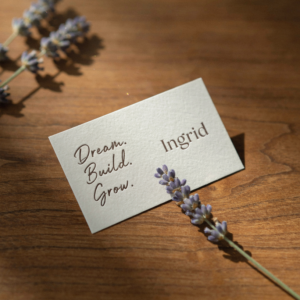
It’s not a brochure, and it definitely doesn’t need your full story, every service you offer, or five different social media accounts squeezed into a tiny space. Keep it clean. Keep it simple. And focus only on what someone actually needs to remember you and contact you later.
A well-designed, simple business card will always do a better job than a crowded one trying to say too much. And when in doubt, remove something instead of adding more. Your future customers will always prefer clarity over clutter.
Business Card Design Basics
Now that you know what information should go on your business card, it’s time to talk about the design itself. And this is usually where things get a little overwhelming for most entrepreneurs.
You start scrolling through endless business card design ideas, switching between templates, changing fonts, adjusting colors… and before you know it, you’ve spent way too much time trying to make it “perfect.”
I’ve been there too. But here’s the good news: a professional business card doesn’t have to be complicated at all. In fact, the best designs are often the simplest ones.
Your goal isn’t to create the most creative or eye-catching card in the room. It’s to create something that’s clear, easy to read, easy to remember, and aligned with your brand. So let’s go through the key design principles that actually matter.
Layout: Keep It Organized
A good business card layout guides the reader’s eye naturally from one piece of information to the next. Think of your card like a mini website. Every element should have a purpose and a place. A simple layout often works best, with only your name and job title, your business name or logo, contact information, website, and QR code (if you’re using one).
Avoid the temptation to fill every corner with text or graphics. When everything competes for attention, nothing stands out.
White Space: Don’t Be Afraid of Empty Space
This is one of the biggest mistakes I see on business cards. People think they need to use every inch of available space because they’re paying for it. But empty space isn’t wasted space. Designers call it white space, and it’s one of the easiest ways to make a business card look more professional.
White space helps improve readability, it creates a cleaner appearance, you draw attention to important information, and you make your card feel more premium. A crowded business card can feel overwhelming. A clean business card makes you feel confident. And confidence is exactly what you want your brand to communicate.
Readability: Make It Easy to Read
This sounds obvious, but you’d be surprised how many business cards fail this test. If someone has to squint, tilt the card, or guess what a word says, your design isn’t working. Always prioritize readability over creativity.
A few simple rules: use clear fonts, choose a font size that’s easy to read, make sure there’s enough contrast between text and background colors, and keep important information prominent. Remember, your business card may be viewed in poor lighting, at busy events, or during quick conversations. The easier it is to read, the more effective it will be.
Brand Consistency Matters
Your business card should feel like an extension of your brand. If someone visits your website after receiving your card, the colors, fonts, logo, and overall style should feel familiar. Consistency helps build trust.
For example, a luxury brand may use elegant typography and minimalist colors, a creative agency may use bold colors and modern layouts, and a local service business may focus on professionalism and clarity.
There’s no single “perfect” design. The best business card design is the one that matches your brand and speaks to your target audience.
Choose Colors Carefully
Color plays a bigger role than most people realize. Different colors create different impressions.
Blue often represents trust and professionalism, while black can feel sophisticated and premium. Green is commonly associated with growth and sustainability, red grabs attention and creates energy, and orange can feel friendly and approachable.
That doesn’t mean you need a rainbow-colored business card. In most cases, one or two brand colors are more than enough. A simple color palette often looks more professional than a card with too many competing colors.
Typography Can Make or Break Your Design
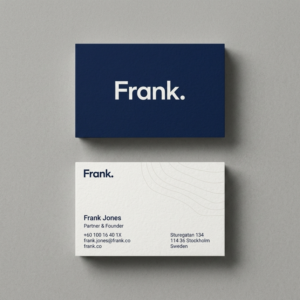
Typography is simply the style of text you choose. And yes, it matters. The right font makes your business card look polished and professional. The wrong font can make even a great business look amateur.
A good rule of thumb is to stick with one or two fonts at most. Use one font for headings and another for supporting information if needed.
And please, do yourself a favor and avoid overly decorative fonts that look like they belong on a wedding invitation. They may look beautiful, but they can be difficult to read on a small card.
When it comes to business card typography, simple almost always wins.
Focus on Function First
It’s easy to get caught up in creative business card designs, fancy finishes, and eye-catching effects. But before you worry about any of that, ask yourself one question: Can someone quickly understand who I am, what I do, and how to contact me?
If the answer is yes, you’re already ahead of most business card designs out there.
Start with a clean layout, plenty of white space, readable fonts, consistent branding, and smart color choices. Once you’ve nailed those basics, everything else becomes much easier. A simple business card that gets results is far more valuable than a complicated one that gets ignored.
Best Business Card Design Ideas
Now comes the fun part. You’ve figured out what information to include on your business card. You’ve learned the basics of good design. But what should your card actually look like? The truth is, there isn’t one perfect business card design.
What works for a freelance designer probably won’t work for a local plumber. And what looks great for a luxury real estate agent might feel completely out of place for an online entrepreneur.
That’s why it’s important to choose a design that matches your brand, your audience, and the impression you want to make. I’ve seen entrepreneurs spend hours looking at business card templates, trying to find the “best” design. But the best design isn’t necessarily the most creative or expensive one.
It’s the one that makes people remember you. Let’s look at some of the most popular business card design styles and where they work best.
Minimalist Business Card Designs
If you’re not sure where to start, start simple. Seriously. Some of the most effective business cards I’ve ever seen were also the simplest. No flashy graphics. No crazy fonts. Just a clean design that looked professional and easy to read.
A minimalist business card focuses on the essentials. Plenty of space, clear contact information, and a design that doesn’t try too hard. And that’s exactly why it works. When someone receives your card, their attention goes straight to the information that matters most instead of getting distracted by unnecessary design elements.
This style is especially popular among freelancers, consultants, coaches, and small business owners because it creates an instant sense of professionalism. Plus, unlike many design trends, minimalism never really goes out of style.
Luxury Business Card Designs
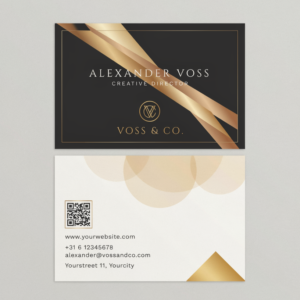
If your business serves high-end clients, your business card should reflect that. Think premium materials, elegant typography, and a design that feels sophisticated from the moment someone holds it.
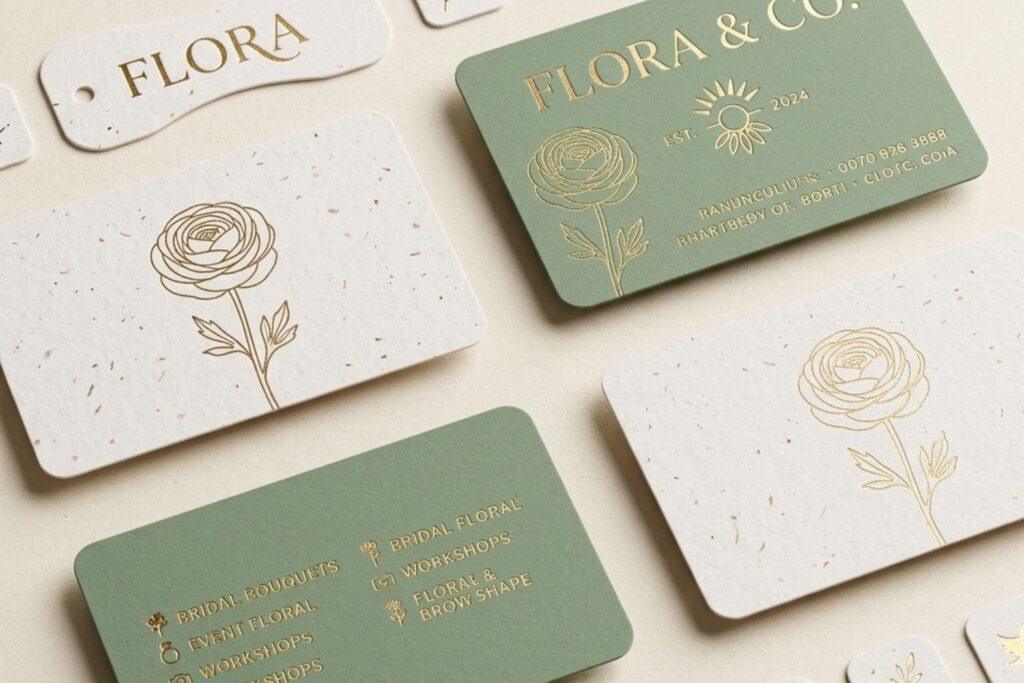
Luxury business cards often use darker colors, thicker cardstock, foil accents, or embossed logos. They’re designed to communicate quality and attention to detail. But here’s something important: Luxury doesn’t mean over-the-top.
The most effective luxury business cards are usually understated. They feel expensive without screaming for attention. And that’s often how successful premium brands operate, too.

Modern Business Card Designs
Modern business cards strike a nice balance between professional and fresh. They often feature bold typography, clean layouts, simple graphics, and smart use of color. Many also include QR codes that connect directly to a website, portfolio, or booking page.
If you’re running an online business, startup, marketing agency, or tech-focused company, a modern design can help reinforce that innovative image. The goal is simple: make your business feel current, relevant, and easy to connect with.
Creative Business Card Designs
Sometimes standing out is part of the strategy. Creative business cards can be incredibly memorable when they’re done well. Maybe it’s an unusual shape. Maybe it’s a clever design concept. Maybe it’s a card that instantly showcases what you do.
But here’s a lesson I learned the hard way: Being memorable is great. Being practical is even better. A business card shaped like a guitar might be fun for a musician, but if it doesn’t fit inside a wallet, there’s a good chance it ends up getting tossed aside.
The best creative business cards find a balance between originality and usability.
Industry-Specific Business Card Examples
Different businesses have different goals, so it makes sense that different industries often use different design styles. For example, a freelance writer might focus on a clean personal brand with a portfolio link and QR code.
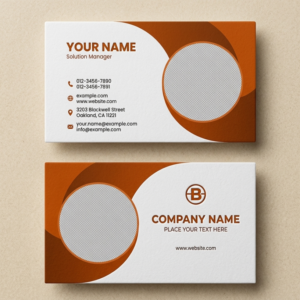
A real estate agent may include a professional headshot to help potential clients remember them. A photographer might showcase their visual style through color choices and premium printing. Meanwhile, a local service business like a landscaper, electrician, or cleaning company usually benefits from keeping things straightforward and easy to read.
That’s why copying someone else’s design isn’t always the best approach. Instead, think about your customers. What would make them trust you? What information are they looking for? And what kind of design would feel professional to them?
Answer those questions, and you’ll be much closer to creating a business card that actually works. At the end of the day, the goal isn’t to win a design award. It’s to create a business card that helps grow your business. And that’s something every entrepreneur can do.
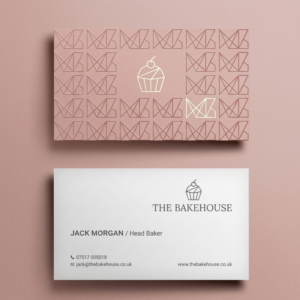
Common Business Card Mistakes
Most bad business cards don’t fail because someone had no creativity. They fail because someone tried too hard… or missed the basics. I’ve seen it happen a lot. Entrepreneurs who are genuinely great at what they do, but their business card ends up working against them instead of for them.
The good news? These mistakes are easy to avoid once you know what to look for. Let’s go through the most common ones so you don’t make them yourself.
Too Much Information
This is probably the #1 mistake I see. People treat their business card like a mini brochure and try to cram everything onto it. Every service, every social media account, multiple phone numbers, a slogan, sometimes even a full paragraph about what they do. And the result? Nobody reads it.
A business card is not the place to explain your entire business. It’s just a quick introduction and a way to stay in touch. If someone needs more details, they’ll visit your website later. Think of your card like this: it should spark curiosity, not explain everything.
Hard-to-Read Fonts
This one is painful because it’s so avoidable. A fancy font might look creative on your screen, but on a small printed card it can quickly become a problem. If someone has to pause and figure out what your name or email says, you’ve already lost their attention. And in networking situations, attention is everything.
Simple, clean fonts almost always perform better than decorative ones. Not because they’re boring, but because they work. Your business card is not the place to show off typography skills. It’s the place to be clear.
Low-Quality Images
If you’re using a logo or image on your business card, quality matters more than you think. A blurry logo or pixelated image instantly makes your business feel less professional, even if your actual work is excellent. People may not consciously notice it, but they feel it. And that feeling matters.
Always use high-resolution files, and make sure your design looks sharp when printed. What looks fine on your screen might not always translate well to paper, especially on smaller cards.
Poor Printing Choices
Design is only half the story. Printing matters just as much. You can have a beautiful design, but if it’s printed on thin, cheap paper, it will feel… well, cheap.
And that’s not the impression you want to give. The texture, thickness, and finish of your card all influence how people perceive your business. Matte, gloss, soft-touch, thick cardstock — they all create a different feeling.
You don’t need the most expensive option, but you also don’t want the cheapest one that bends in someone’s hand. Think of it like this: your business card is often the first physical impression of your brand. Make it count.
Missing Contact Information
This sounds almost too obvious, but you’d be surprised how often it happens. A business card without clear contact details defeats its entire purpose. I’ve seen cards with just a name and logo… and nothing else. No phone number, no email, no website.
It might look minimal, but it’s not helpful, and if people can’t contact you easily, they simply won’t.
At a minimum, make sure your card includes:
- Your name
- A way to contact you (phone or email)
- A website or online presence
Everything else is optional. But these three are non-negotiable.
Keep It Simple, But Not Empty
The goal of a good business card is not to impress people with complexity. It’s to make it effortless for them to remember you and reach you later. Every mistake we just covered has the same root problem: trying to do too much, or forgetting the basics.
When you strip things back to what actually matters, your business card becomes much more powerful. And honestly, simple almost always wins in business anyway.
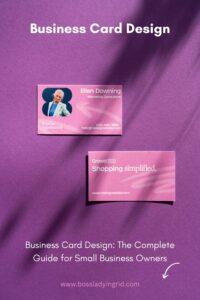
Save this image on Pinterest to find this guide later
Digital vs Traditional Business Cards
This is one of those topics that keeps coming up more and more lately, and honestly, it makes sense. On one side, you’ve got the classic printed business card. Something physical you can actually hand over in a conversation, which still feels natural in face-to-face networking.
On the other side, you’ve got digital business cards that live on your phone and can be shared in seconds with a link or QR code. So which one is better? The honest answer is: it really depends on how you work and who you’re trying to reach.
Let’s break it down in a simple, practical way.
Traditional Printed Business Cards
Printed business cards are what most of us think of first. You meet someone, have a conversation, and you hand them a physical card. Simple, direct, and personal.
The pros:
One of the biggest advantages is the human connection. There’s something about physically handing someone a card that still feels intentional. It makes the interaction more memorable. They’re also incredibly easy to use. No apps, no setup, no tech barriers. You just hand it over, and you’re done.
And in many industries, especially local businesses and in-person networking, printed cards are still expected. Showing up without one can honestly feel like you’re not fully prepared.
The cons:
Of course, they’re not perfect. Printed cards can get lost easily. People forget them in pockets, bags, or even leave them on tables after events. They also require reprints if your details change, which can be annoying and wasteful. And let’s be honest: most printed cards don’t get used after the first meeting unless they really stand out or the timing is right.
Digital Business Cards
Digital business cards are the modern alternative. Instead of handing someone a physical card, you share a link, QR code, or digital profile they can save instantly. Think of it as your business card, but interactive.
The pros:
The biggest advantage is convenience. You can update your details anytime without reprinting anything. Changed your phone number? New website? No problem — it’s instantly updated. They’re also harder to lose. Once someone saves your digital card or link, it stays on their phone.
And you can do much more with them. Instead of just contact info, you can include:
- Portfolio links
- Booking pages
- Social media profiles
- Videos or introductions
- Lead capture forms
It turns a simple introduction into a small marketing tool.
The cons:
But there are downsides too. Not everyone is comfortable using digital tools in networking situations. If someone is in a hurry or not very tech-savvy, asking them to scan a QR code or open a link can feel like friction.
There’s also less of that physical “moment” you get when handing over a real card. It can feel a bit less personal in face-to-face conversations. And in some traditional industries, digital-only can still feel a bit unfamiliar.
Why Many Entrepreneurs Use Both
Here’s where things get interesting. Most experienced entrepreneurs don’t choose one or the other. They use both, and that’s usually the smartest approach.
A printed business card is perfect for in-person meetings, events, and spontaneous conversations. It creates that personal connection and leaves something tangible behind. A digital business card works better for follow-ups, online networking, and situations where sharing a link is easier than handing over a physical card. Together, they cover all bases.
I’ve seen this work really well in practice: someone gets your printed card at an event, later scans your QR code, and ends up on your website, portfolio, or booking page. That simple bridge between physical and digital can make a big difference.
The Bottom Line
You don’t really have to choose between digital and traditional business cards. The real question is: how do you want people to experience your brand? If you rely heavily on in-person networking, printed cards are still incredibly valuable.
If your business lives mostly online, digital cards might play a bigger role. But if you want to play it smart? Use both. That way, you’re ready for every situation, whether it’s a handshake at a coffee shop or a quick message online.
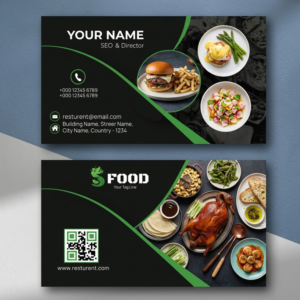
Should You Add a QR Code?
Short answer: yes… in most cases, you probably should.
QR codes have quietly become one of the most useful tools on modern business cards. They bridge the gap between your physical card and your online world, without making things complicated for the person holding it. They make it ridiculously easy for someone to take action right away.
Instead of typing your website or searching for your name later (which, let’s be honest, most people don’t do), they can just scan and instantly land where you want them to go.
Why QR Codes Work So Well
A good business card has one job: help people remember you and take the next step. A QR code speeds up that “next step.” It removes friction. No typing. No guessing. No forgetting your name later. Just scan and go. And in real networking situations, that simplicity matters more than you think.
What Should You Link To?
This is where a lot of entrepreneurs make things too complicated. Your QR code should not lead to a random homepage with no clear direction. It should lead to something intentional.
Here are the best options:
Portfolio
If you’re a freelancer, designer, photographer, writer, or creative, your portfolio is often the strongest choice. It gives people instant proof of your work. No guessing, no explanations needed.
Website
For most entrepreneurs, this is the safest and most flexible option. Your website can explain what you do, show your services, and guide people toward contacting you. Just make sure it’s clean and easy to navigate. First impressions online matter just as much as offline.
If you’re in a more professional or corporate space, linking to your LinkedIn profile can work really well. It builds credibility quickly and gives people a sense of your background without needing a full conversation.
Booking Page
If your goal is to get clients or appointments, this is powerful. Instead of “reach out when you’re ready,” you’re saying: “Here’s my calendar, pick a time.” That small shift can make a big difference in how quickly people take action.
Keep It Simple
The biggest mistake I see? People try to make their QR codes do too much. Don’t. One QR code should lead to one clear destination. Not five different options, not a confusing landing page, just a simple next step.
Think of it like this: your business card starts the conversation, your QR code continues it. And when both are done right, they work together in a really powerful way.
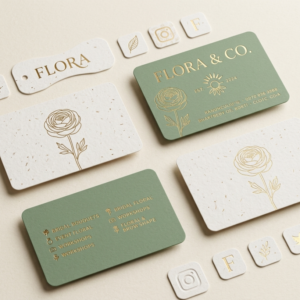
Best Business Card Printing Services
Once your design is ready, the next step is printing it. And this is where a lot of entrepreneurs realize something important: A great design can still look cheap if it’s printed poorly.
That’s why choosing the right printing service matters more than most people think. You don’t need the most expensive option out there, but you do want a company that delivers consistent quality and makes your card feel professional in hand.
Here are some of the most popular options.
Vistaprint
Vistaprint is one of the most well-known names in business card printing. It’s popular for a reason: it’s affordable, easy to use, and offers a huge range of templates. If you’re just starting out and want something quick and simple, it’s a solid choice. It’s not the most premium option on the list, but it gets the job done well for most small business owners and beginners.
MOO
MOO is for entrepreneurs who care about design and quality. Their cards feel premium the moment you hold them. Thicker paper, sharp printing, and attention to detail make a big difference here. If you want your business card to feel like an extension of a high-end brand, this is often the go-to choice.
Canva Print
Canva is interesting because it combines design and printing in one place. You can create your business card directly in the platform using templates and then order prints with just a few clicks. It’s perfect if you want full control without needing design experience. Simple, fast, and beginner-friendly.
GotPrint
GotPrint is another budget-friendly option that many small business owners use. It offers competitive pricing and decent quality, especially if you’re ordering in bulk. It’s a practical choice if you want to keep costs low while still getting a professional result.
Business Card Printing Options
Business card printing comes down to a few simple choices like standard or premium cardstock, matte or glossy finishes, and optional extras like foil or rounded corners that can change how your card feels in someone’s hand.
But the real rule is simple: keep it clean, choose decent quality, and don’t overcomplicate it, a simple, well-printed card will always beat a flashy one on cheap paper.
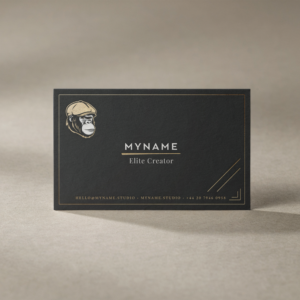
Business Card Design Trends
Design trends come and go, but business cards keep evolving in interesting ways. And even though we live in a digital world, physical business cards are far from dead. They’re just becoming smarter, simpler, and more intentional. If you’re creating your own business card, here are the trends worth paying attention to.
Minimalism Is Still King
Minimalism isn’t new, but it’s not going anywhere either. In fact, it’s becoming even more popular.
Entrepreneurs are realizing that a clean, simple design often feels more professional than something overly complex. Instead of trying to impress with visuals, minimalist cards focus on clarity and confidence.
Plenty of white space, simple typography, and a clear message, that’s usually all you need. And honestly, it works. People remember simplicity more than clutter.
Bold Typography
When everything else is minimal, typography becomes the star. Now, we’re seeing more business cards use bold, confident fonts to create impact without needing extra design elements. Like large names, strong titles, and a clear hierarchy.
It’s a simple way to make your card stand out while still keeping things clean and professional. Just make sure readability always comes first. Bold doesn’t mean hard to read.
Sustainable Materials
More entrepreneurs are paying attention to sustainability, and business cards are part of that shift. Recycled paper, eco-friendly inks, and responsibly sourced materials are becoming more common.
And it’s not just about being environmentally conscious; it also sends a message about your brand values. A sustainable business card quietly tells people: you care about more than just profit.
NFC-Enabled Cards
This is where things start to feel a bit more futuristic. NFC (Near Field Communication) cards let people tap your business card with their phone to instantly open a link, profile, or digital business page. No scanning, no typing, just a tap.
It’s still not the standard everywhere yet, but it’s definitely growing, especially in tech, consulting, and high-end networking spaces. If your brand is modern or innovation-focused, this can be a powerful option.
QR Code Integration
QR codes are no longer “optional tech features” — they’re becoming standard. Almost every modern business card now includes some form of QR code, whether it’s linking to a website, portfolio, booking page, or LinkedIn profile. The reason is simple: they make your card actionable.
Instead of someone just keeping your card in their wallet, they can instantly take the next step with a quick scan. In many ways, QR codes are what connect traditional networking with the digital world.
The Real Trend Behind All of This
If you zoom out, there’s one clear direction everything is moving toward: Less clutter and more intention. Modern business cards are not about showing everything you do. They’re about making one strong impression and guiding people to take the next step easily.
So whether you go minimalist, bold, eco-friendly, or tech-focused, the goal stays the same. Make it simple. Make it memorable. Make it useful.
That’s what works, and that’s what will keep working.
The Moment Your Business Starts Feeling Real
If you’ve made it this far, you already know more about business card design than most people who are actually out there networking every day. And that’s a good thing.
Because here’s the truth nobody really tells you when you start a business: small things like a business card can have a bigger impact than you expect. Not because they’re flashy or complicated, but because they show people you’re serious, prepared, and easy to remember.
I’ve seen it happen more than once. Two entrepreneurs, same skills, same services… but one looks put together and intentional, and the other feels a bit scattered. Guess who gets remembered after the conversation? Exactly!
Your business card doesn’t need to be perfect. It doesn’t need to win any design awards. And it definitely doesn’t need to be overthought for weeks.
It just needs to do three things well: Make people remember you, make it easy to contact you, and reflect your business in a clear and honest way.
If you’ve been putting off creating one because you thought it was “not that important yet,” I hope this guide changed that a bit. You don’t need to wait until your business feels big enough. In fact, looking professional early on is often what helps you grow faster.
So keep it simple. Keep it clear. And make something that actually feels like you. And then put it out into the world, because your next opportunity might literally come from a small card you hand out in a random conversation.
Save this image on Pinterest to come back to these ideas later
Frequently Asked Questions
Do business cards still work?
Yes, they absolutely do — if you use them the right way. A business card is still one of the simplest ways to make yourself memorable after a conversation. People might forget your name or details, but a good card gives them something physical to hold onto and come back to later. Especially in networking situations, it still works surprisingly well.
What is the standard business card size?
The most common size is 3.5 x 2 inches (88.9 x 50.8 mm). That’s the standard size in the US and what most people expect. Sticking to this size is usually the smartest choice because it fits easily in wallets, card holders, and organizers. If you go for a different size, just make sure it still feels practical.
Should I put my photo on a business card?
It depends on your industry. If you work in a personal-facing business like real estate, coaching, or consulting, a photo can help build trust and make you more recognizable. But for most entrepreneurs, it’s not necessary. A clean, strong design often works better than trying to fit a photo into a small space.
How many business cards should I order?
If you’re just starting out, 100 to 250 cards is usually a good range. You don’t need thousands. Start small, see how often you actually use them, and reorder when needed. It’s better to run out and update your design than to be stuck with outdated cards.
What is the best color for a business card?
There’s no single “best” color; it really depends on your brand. Blue often feels trustworthy and professional, black feels premium, and lighter tones like white or beige feel clean and modern. The most important thing is contrast. Your text should always be easy to read, no matter what colors you choose.
A simple rule: pick colors that match your brand, not just what looks trendy.