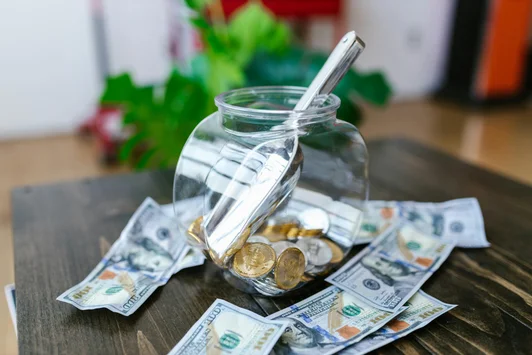
Some money lessons never lose their value. No matter how modern our lives become, common sense around money always finds a way to stay relevant. I’ve noticed that even adopting just one old-fashioned money habit can make a real difference. Suddenly, your money doesn’t disappear quite as fast as it used to.
Before social media was filled with money coaches, budgeting apps, and viral “get rich” tips, most of us learned how to handle money in a much simpler way. I know I did. My first real lessons about saving money didn’t come from experts online, but from watching my parents and grandparents go about their everyday lives.
Disclosure: This post may contain affiliate links, meaning if you decide to purchase via my links, I may earn a commission at no extra cost to you. Please read my disclaimer for more info.
Finance Tips That Stand the Test of Time
They didn’t call it “personal finance” back then. People just made things work, they planned ahead, avoided waste, and somehow always seemed prepared for the tougher times. Looking back, I realize how much their mindset helped them get through periods when money was tight, and how relevant those lessons still are today.
Some of the smartest money habits I have now are directly inspired by them. That’s why I believe their advice never really goes out of style. Below are a few timeless money lessons that are worth remembering (and relearning), especially if you’re trying to save a little more yourself.
Repair First: One of Those Saving Tips That Truly Pays Off
When something wears out or gets damaged, our first instinct is often to replace it. I’ve definitely been guilty of that, buying something new simply because fixing the old one felt like too much effort. But over the years, I’ve learned that taking a moment to repair before replacing can save far more money than you might expect.
This habit shows up most often with clothes, shoes, and accessories. A loose button, a small tear, or worn soles don’t always mean the item is finished. Sometimes all it takes is a quick trip to a tailor, a shoe repair shop, or even a few minutes at the dining table with a needle and thread. It’s a small act, but it makes a big difference.
Repairing what you already own isn’t just about saving money; it’s about valuing your belongings and making them last. When you care for the things you have, they tend to stick around longer, and so does your money.
Shop Your Closet: A Surprisingly Effective Saving Tip
One of the easiest ways to save money is to pause before buying something new and take a closer look at what you already have. I’ve learned that many “new” purchases happen simply because we’ve lost track of what’s hiding in our own closets. When you’re not fully aware of what you own, duplicates — and even triplicates — sneak in quickly.
Taking the time to really go through your wardrobe can be eye-opening. Whether you do a full weekend declutter or just slowly work through one section at a time, the goal is the same: get familiar with what you already have. When everything is visible and organized, you’re far less likely to buy things you don’t actually need.
The best part? Every purchase you don’t make is money you get to keep. Instead of spending it on another “almost-the-same” item, you can redirect those dollars toward something that truly matters — like building up an emergency fund or paying down a credit card balance.
Call a Friend Before You Buy
We live in a world where sharing has become second nature. What used to be simple carpooling is now built into apps and business models, yet we often forget that this way of thinking works just as well in our own homes and social circles.
There’s nothing awkward about sharing or borrowing bigger, occasional-use items like lawnmowers, snow blowers, or hedge clippers. Buying these things outright rarely makes sense when they’re only used a few times a year. I’ve found that asking around first can save a surprising amount of money, and often leads to better conversations, too.
The same goes for special occasions. Among close friends, borrowing jewelry for an event or a blazer for a job interview can be a smart and practical solution when money is tight, but first impressions still matter. The key is simple: treat borrowed items with care, return them on time, pitch in for maintenance if needed, and be just as willing to share when someone else asks. That way, saving money never comes at the cost of a friendship.
Use It Before You Lose It
I used to save my favorite things for “special occasions.” A nice perfume I barely sprayed, a beautiful lipstick I almost never wore, lotions I kept for later. Somehow, later always felt like a better moment than now. Of course, that moment rarely came.
Over time, I realized that by not using these products, I was actually wasting the money I had spent on them. Many consumables quietly expire while sitting on a shelf, losing their quality, or worse, becoming unsafe to use. Seeing a half-full bottle go bad is a small but very real reminder that unused items don’t equal savings.
Now I make a point of enjoying what I already have before buying something new. It feels good to get real value out of my purchases, reduce clutter, and stop spending on replacements I don’t actually need. Sometimes, saving money is as simple as allowing yourself to use the good stuff.
Finish What’s in Your Fridge Before You Buy More
I’ve definitely been guilty of this: buying groceries with the best intentions, only to end up eating out or ordering takeout instead. In other words… letting perfectly good food go to waste.
It’s easy to forget that all those little leftovers and half-used ingredients add up, both in money and effort. According to the latest USDA estimates, American food waste costs about $218 billion every year. Yes, billion with a B.
One thing I’ve learned that really helps is planning meals around what I already have. I make a simple list, check my fridge and pantry, and get creative with the ingredients on hand.
Sometimes that means scrolling Pinterest for ideas, Googling a recipe, or calling Grandma for her tried-and-true tricks. The payoff is huge: less waste, more money in your pocket, and a fridge full of things you actually enjoy eating.
Timeless Money Habits That Keep Your Dollars Safe
Common sense never goes out of style, and neither do the simple money habits our parents and grandparents lived by. If you take even one of these old-school money tips and make it part of your routine, you’ll notice the difference. Your dollars stretch further, your spending feels smarter, and you may even feel a little more in control of your financial life.
The beauty of these habits is that they aren’t complicated or stressful; they’re just practical ways to value what you already have, avoid waste, and make thoughtful choices. Whether it’s repairing before replacing, shopping your own closet, sharing with friends, using what you already own, or finishing everything in your fridge, each small action adds up over time.
Try picking one or two habits to start with this week. Make them your little money rituals. Before you know it, saving money won’t feel like a chore; it will feel like second nature. And the best part? These timeless strategies work in any economy, for any budget, and at any age.
Your future self (and your wallet) will thank you.
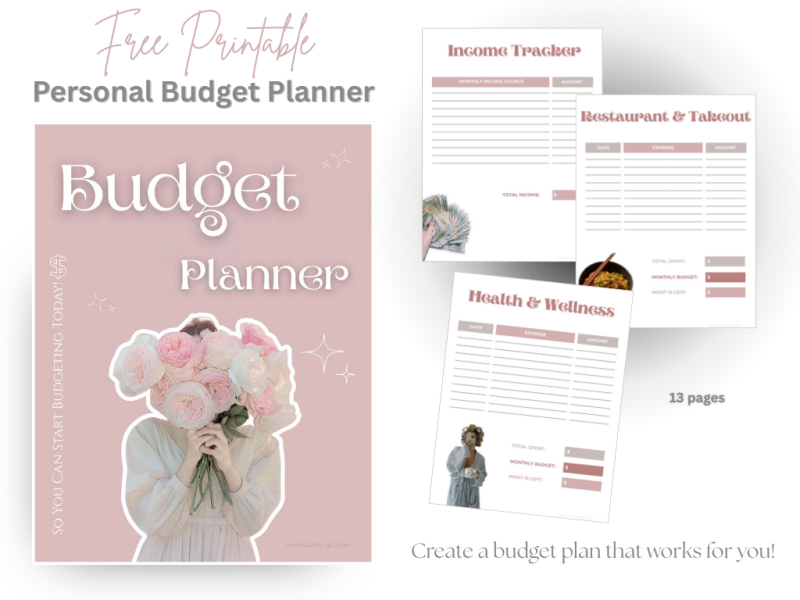
Have you ever thought of starting with a budget plan? You can find useful tips in this blog: How to Make a Budget Plan and use thisFree Budget Template. I hope this helps!