
Money is funny. We spend years in school learning math, history, and grammar, yet somehow, the topic we deal with every single day barely gets explained. Most of us learn about money through trial and error — usually expensive error.
I didn’t wake up one day, suddenly being “good with money.” It came from small lessons, mistakes, and slowly understanding that money isn’t emotional, but our behavior around it is. Over time, I realized that money is a game. And like any game, once you understand the rules, it becomes a lot less stressful and a lot more fun.
Disclosure: This post may contain affiliate links, meaning if you decide to purchase via my links, I may earn a commission at no extra cost to you. Please read my disclaimer for more info.
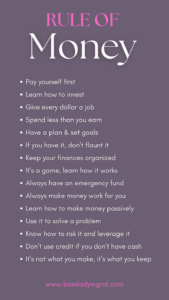
The Rule of Money
The “Rule of Money” isn’t one single rule, but a collection of principles for financial health. It’s commonly centered on spending less than you earn, creating a budget (like the 50/30/20 rule), paying yourself first, building an emergency fund, and investing wisely to combat inflation and grow wealth.
Key takeaways are making saving automatic, understanding needs vs. wants, managing debt, and continuous financial education.
Here are the rules that changed how I look at money.
Easy Ways to Save Money: Simple Habits That Actually Work
Saving money often sounds harder than it really is. Many of us think we need strict budgets, extreme rules, or a complete lifestyle change to see results. But in reality, learning how to save money is about small, intentional habits that fit into your real life.
These tips aren’t about deprivation or perfection. They’re about creating calm, building confidence, and slowly changing the way you relate to money. Some of them are things you can start today, others will grow with you over time, and that’s exactly how saving should feel.
Whether you’re starting from scratch, rebuilding your finances, or simply looking for more peace of mind, these 20 simple and realistic ways to save money will help you build habits that actually last.
20 Gentle & Real-Life Ways to Save Money (A Personal Approach)
Pay Yourself First
Before paying bills, before spending on fun things, before helping everyone else — pay yourself. This doesn’t mean being selfish. It means respecting your future. Even if it’s just 5 or 10 percent of your income, set it aside first. Treat savings like a non-negotiable bill. Your future self will quietly thank you.
Give Every Dollar a Job
Money without a purpose disappears. I’ve seen it happen, to myself and to others. When every dollar has a job (rent, groceries, investing, saving, fun), you stay in control. Budgeting isn’t about restriction; it’s about clarity. You decide where your money goes, instead of wondering where it went.
Spend Less Than You Earn
Simple rule. Hard execution. This is the foundation of everything. No investment strategy, side hustle, or financial hack works if you consistently spend more than you make. Wealth isn’t built by income alone; it’s built by the gap between what you earn and what you spend.
It’s Not What You Make, It’s What You Keep
I’ve met people with impressive salaries living paycheck to paycheck, and people with average incomes building real wealth. The difference? What they keep. Lifestyle inflation is sneaky. Raises feel good, but if expenses rise at the same pace, nothing actually changes.
Have a Plan and Set Goals
Money without a plan is just numbers on a screen. What do you want it to do for you? Freedom? Security? Time? Travel? A calm nervous system? Set goals. Short-term, long-term, and “dream big” goals. A plan turns money from stress into a tool.
Always Have an Emergency Fund
Life happens. Cars break. Jobs change. Unexpected bills arrive uninvited. An emergency fund isn’t exciting, but it’s powerful. It buys you peace. It keeps small problems from becoming financial disasters. Think of it as self-insurance for real life.
Keep Your Finances Organized
Disorganized money creates unnecessary stress. Missed payments, forgotten subscriptions, and unclear balances slowly drain you. A simple system — one you actually use — brings clarity and calm.
Learn How to Invest (and Let Money Work for You)
Saving alone isn’t enough. Inflation quietly eats idle money. Investing is how money starts working for you instead of the other way around. You don’t need to know everything at once. Start small. Learn gradually. The most important step is starting.
Learn How to Make Money Passively
Active income is trading time for money. Passive income is building systems that keep working even when you’re not. Dividends, rental income, digital products, businesses — there are many paths. The goal isn’t “never working,” but having options.
Know How to Risk It and Leverage It
Risk isn’t the enemy — ignorance is. Every opportunity carries risk, including doing nothing. Learn how to calculate it, manage it, and leverage it wisely. Smart risk-taking, over time, is how growth happens.
Don’t Use Credit If You Don’t Have Cash
Credit is a tool, not free money. If you wouldn’t buy it with cash, think twice before putting it on a card. Debt should help you grow, not trap you. Convenience today can become stress tomorrow.
Keep Your Finances Organized
Chaos costs money. Missed payments, forgotten subscriptions, unclear balances — it all adds up. Organization creates awareness, and awareness creates better decisions. A simple system you actually use beats a perfect system you don’t.
If You Have It, Don’t Flaunt It
Real wealth is quiet. Flashy spending often hides insecurity, not success. You don’t need to prove anything to anyone. Financial freedom feels much better than financial applause.
Use Money to Solve Problems
Money isn’t the goal. It’s a solution. It solves problems like stress, lack of choice, limited time, and uncertainty. When used intentionally, money gives you options — and options are priceless.
Learn the Game
Once you see money as a game, things shift. You stop taking losses personally and start seeing them as lessons, get curious instead of emotional, and you play longer. And the longer you stay in the game, the better you get.
Money isn’t about perfection. It’s about progress. Small decisions, repeated consistently, create massive change over time. Learn the rules. Play your own game. And remember, money should support your life, not control it.

How to Save Money (Without Feeling Deprived)
I used to think saving money meant giving things up. Less fun, less freedom. But you can still live a little and save money.
Everything changed when I stopped saving what was left at the end of the month and started paying myself first. Even small amounts, saved automatically, made saving feel easy.
I also became more aware of where my money was actually going. Hidden subscriptions I didn’t use, impulse buys, and convenience spending added up quickly. Letting those go didn’t feel painful, but it felt freeing.
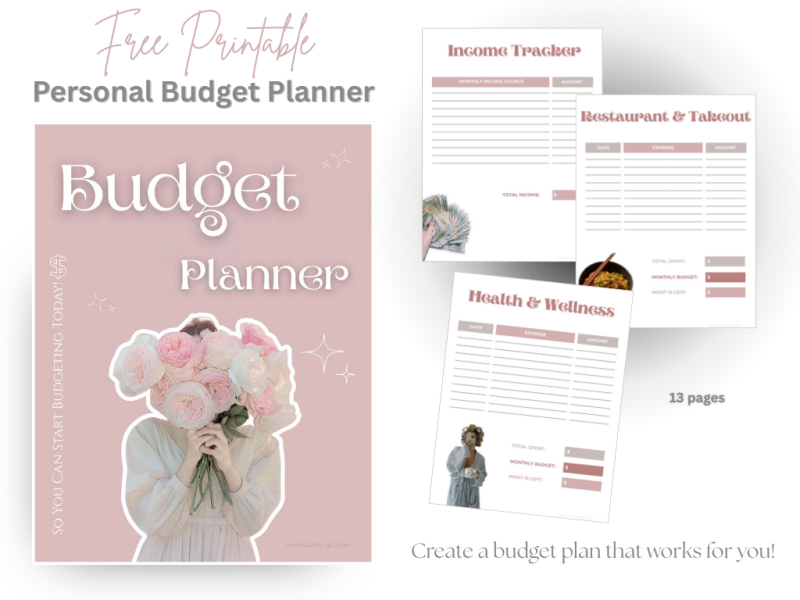
One simple habit helped the most: I started with a budget planner.
Saving became easier when my money had a purpose, like an emergency fund, future freedom, or travel. In the end, saving didn’t make my life smaller. It made it calmer. And that peace is worth more than any impulse buy.
Here is a blog I wrote about how to start with a budget planand budgeting tips. I also made afree budget planneryou can download here.
Money Can Be a Friend, Not a Stress
For years, I thought money was either my enemy or a source of stress. I worried I wasn’t earning enough, that I was spending too much, or that I’d never “get ahead.” But over time, I started noticing small wins: the calm of seeing my savings grow, the confidence of paying bills without panic, and the freedom of knowing I could handle a surprise expense.
Now, I try to approach money like I approach any good friend: with respect, awareness, and balance. Sometimes we splurge, sometimes we save, and sometimes we just sit quietly and watch it grow. And that’s okay. Money doesn’t have to be stressful; it can be calm and steady, and we’re allowed to enjoy it!
To me, more money means more freedom to do the things I really enjoy doing. Like having a coffee with a friend, or buying a gift for my mom.
Saving money can be hard when you don’t have enough money to get you through the month. I had the same problem, so I started a side hustle. Making money from home was the best choice I’ve ever made!
For side hustle ideas, you can check out this list with 50 ways to make money.
How I Learned That Wealth Is Built in Silence
For a long time, I thought money would feel different once I had “enough” of it. I imagined a moment where everything would click, less stress, more confidence, more freedom. But that moment never arrived the way I expected.
What changed things wasn’t higher income. It was understanding the rules.
I remember the first time I actually paid myself first. It wasn’t a big amount. Honestly, it felt almost pointless. But something shifted mentally. For the first time, I wasn’t just surviving month to month; I was choosing my future over instant comfort.
Why More Money Didn’t Make Me Feel Rich
I also remember the wake-up call of realizing that it’s not what you make, it’s what you keep. I had months where money came in easily, yet somehow nothing stuck. No savings, no progress, just a nicer lifestyle and the same level of stress. That was the moment I understood that wealth doesn’t announce itself. It grows quietly, in the background, through consistent, sometimes boring decisions.
Learning to spend less than I earned wasn’t about cutting joy out of my life. It was about choosing peace over pressure. Having an emergency fund gave me something I had never bought before: calm. Knowing I could handle a setback without panic changed how I showed up in my life and work.
Investing scared me at first. Risk always does. But I slowly learned that avoiding risk is a risk in itself. Money sitting still loses power. Money put to work — carefully, intentionally — creates options. And options are freedom.
It’s Not What You Make, It’s What You Keep: The Quiet Truth About Building Wealth
The biggest shift came when I stopped seeing money as a status symbol and started seeing it as a problem-solver. Money solves time problems. Stress problems. Choice problems. When I stopped trying to impress and started trying to build, everything felt lighter.
Today, I don’t see money as something emotional anymore. I see it as a game — one I’m still learning, still playing, and sometimes still losing. But now I understand the rules.
Wealth isn’t loud. It’s not flashy, it’s organized, patient, and intentional. Wealth is built by paying yourself first, keeping more than you spend, letting money work for you, and staying in the game long enough for time to do its job.
And maybe the most important rule of all: Money should support your life — not control it.
“Money grows where attention goes — and patience stays.”